What managers should check before choosing lone worker alarms
A manager reviewing lone worker controls is not just comparing devices. The real question is whether a person working alone can call for help, be located, and be connected to a response process that makes sense for the work they do. Wearable lone worker alarms can bring SOS, GPS location, two-way voice, man down and fall detection alerts into one safety layer, but the value depends on how well the whole system fits the workplace.
Start with the work itself, not the product. A lone worker in a warehouse, a community support role, a remote track, or an after-hours site may face very different risks. A hazard assessment should identify where a worker might be isolated, what could cause injury or illness, whether communication is reliable, and how quickly another person could reach them. If the assessment is vague, the technology is likely to be chosen on features alone rather than on the risks it needs to control.
Check the alert paths before the device features
The first point to check is what happens after an SOS button is pressed or a fall detection alert is triggered. An alert is only useful if it reaches someone who is ready to respond. Look at the response contact arrangements, escalation steps, and what happens when the first contact is unavailable. A clear emergency procedure should state who receives the alert, what information they need, when emergency services are called, and how the worker is updated while help is on the way.
This is where instant alerts from remote workplaces become more than a technical phrase. If a worker is in a low signal area, moving between buildings, or outside normal office hours, the alert path needs to reflect that reality. Confirm how the device sends alerts, what network coverage is needed, and whether there is a practical backup when coverage drops. The aim is not simply to generate an alert, but to get a usable response.
Check what location information is actually useful
GPS location can make a response faster, but location data needs context. A coordinate alone may not help a responder if the worker is on a private track, inside a multi-level building, or near a site entrance that is locked after hours. Ask whether the location shown is current enough for the response time, whether it can be shared with the right people, and whether workers understand when location tracking is active.
Location capability also raises privacy and trust issues. Managers should be clear about why location is collected, who can see it, and how it relates to safety rather than routine performance monitoring. When workers understand the purpose, they are more likely to carry the device and use the SOS button when they genuinely need help. If the system feels like surveillance, reporting may become inconsistent.
Check the fit with daily work
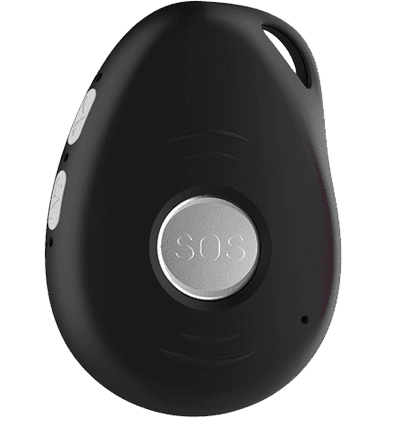
A wearable device only helps if it is worn. Check the form factor against the job. A device that can be clipped to a belt, carried in a pocket, or worn discreetly may suit one role, while gloves, protective clothing, water exposure, dust, or physical work may call for a different approach. If the device is uncomfortable, hard to access, or easy to leave on a desk, the control weakens quickly.
Also check how workers activate help. The SOS button should be reachable in normal use and in common emergency positions. If someone has fallen, can they press it? If they are carrying equipment, can they reach it without putting themselves at further risk? Two-way voice matters here because it can confirm what happened, reduce guesswork, and help the responder decide what support is needed.
Check detection features with a critical eye
Man down and fall detection alerts can be valuable where a worker may be unable to call for help. They should not be treated as a guarantee. Check how the system distinguishes a fall from normal movement, what happens if a worker is motionless but not injured, and how false alerts are handled. A system that produces frequent false alarms may train responders to treat alerts casually, while a system that misses genuine incidents creates a different risk.
Ask how alerts are confirmed. Two-way voice can help confirm whether the worker needs assistance, but that only works if the worker can answer. A good review looks at both paths: the planned response when communication works, and the fallback when it does not. This is especially relevant for roles involving solitary work in areas where a person may not be found quickly.

Check monitoring and check in routines
Technology should support the worker check in process, not replace basic management discipline. Shift monitoring gives a manager or nominated contact a way to notice that a worker has not checked in or that an alert has occurred. Check what is monitored, how missed check ins are handled, and whether the process works across early mornings, evenings, weekends, and public holidays.
A practical review should also look at handovers. If one person monitors alerts during the day and another at night, both need the same understanding of escalation. The emergency procedure should be easy to find and short enough to use under pressure. Long documents are useful for planning, but an alert response needs clear actions: confirm, contact, escalate, record.
Check training, records and review habits
Workers need to know how to carry, charge, activate, and respond to the device. Responders need to know what an alert looks like, what information they will receive, and when to call emergency services. Training does not need to be complicated, but it should be repeated when roles, devices, contact details, or procedures change.
Records also deserve attention. Keep enough information to review alerts, missed check ins, false activations, response times, and any near misses. The purpose is not to blame workers for accidental presses. It is to see whether the control is working and whether the risk control needs adjustment. Over time, patterns can show that a site has poor coverage, a role needs a different device, or a procedure is unclear.
Questions that keep the review grounded
Before deciding that lone worker alarms are suitable, a manager should be able to answer a few practical questions. These points help turn a product comparison into a safety decision:

- Can each worker describe when and how to raise an alert?
- Does every alert have a named response contact and a clear escalation path?
- Will GPS location and two-way voice work in the places where the worker actually goes?
- Are fall detection and man down alerts reviewed against the job, not treated as universal protection?
- Can the system support worker check in and shift monitoring without creating unnecessary surveillance concerns?
The strongest controls are usually the ones that fit ordinary work. A worker who carries the device every shift, knows how to use it, and is backed by a response plan is better protected than a worker with a feature-rich device that stays in a drawer. Instant alerts from remote workplaces only matter when the receiving process is ready, the location is understandable, and the worker has a clear route to help.
A final review should compare the system against the original hazard assessment. Has the isolated work changed? Are there new sites, new hours, new tasks, or new communication dead spots? If so, the controls need to change with them. Lone worker alarms work best as part of a living safety system, with clear responsibilities, regular practice, and a willingness to fix the weak points before an incident forces the issue.